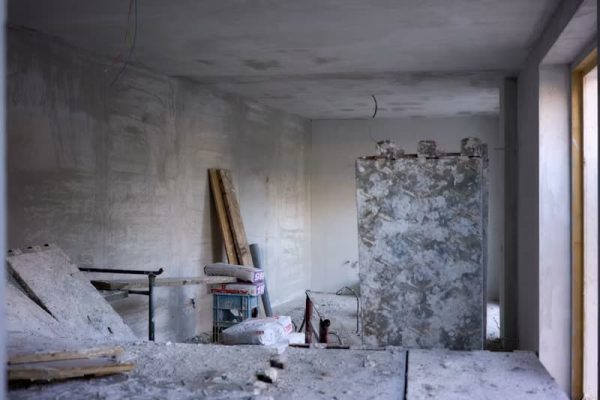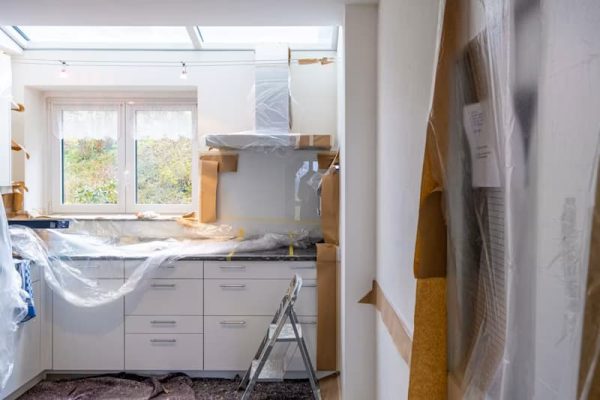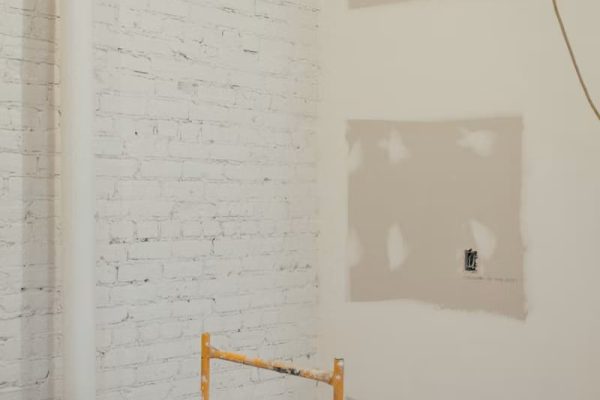
Cracked joints, bulging sheets and nail pops can look minor, but they often point to movement, moisture or a failing finish underneath. Catching them before renovation work begins gives your new paint, joinery and finishes a sound base.
1. Cracks keep returning
A fine crack that reappears after patching is rarely just cosmetic. Movement in a joint, an incorrectly fixed sheet or an old repair can cause the line to open again. A professional repair treats the joint and reinforcing tape, not only the visible surface.

2. Nail pops or screw heads are visible
Small round bumps often mean a fixing has moved or the sheet is no longer sitting firmly against the framing. Simply sanding the bump can damage the face paper. The fixing should be reset or replaced before the area is stopped, sanded and sealed.
3. Walls feel soft, swollen or stained
Discolouration, bubbling paint and soft plasterboard can indicate moisture. Before closing the wall or applying a fresh finish, the source of the leak must be found and the affected board assessed.
- Brown or yellow marks can indicate a roof or plumbing leak.
- Soft edges near skirtings may point to rising or trapped moisture.
- Bubbling paint can mean the paper face has lost adhesion.
A smooth coat of paint cannot hide movement or moisture for long – repair the cause before the finish.
4. Sheets are bowed or joints are uneven
Raking light makes humps, hollows and uneven joins easy to see. These defects become more obvious after dark or glossy paint is applied. Levelling the surface before cabinetry, cornice and final painting prevents expensive rework later.

5. Previous patches remain visible
Raised edges, flashing paint or obvious sanding marks usually mean the patch was not feathered far enough or was painted without the correct sealer. Renovation is the right time to rework these areas so the repaired surface reads as one continuous plane.
If you notice one or more of these signs, arrange an assessment before demolition or painting starts. Early repairs are easier to schedule and help every following trade achieve a cleaner result.